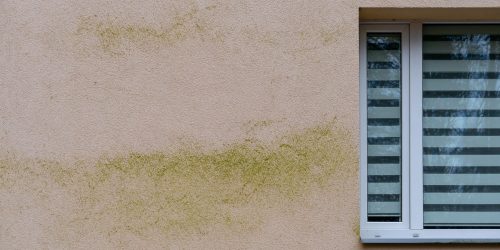
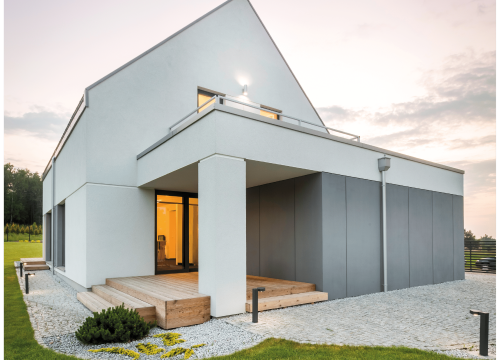
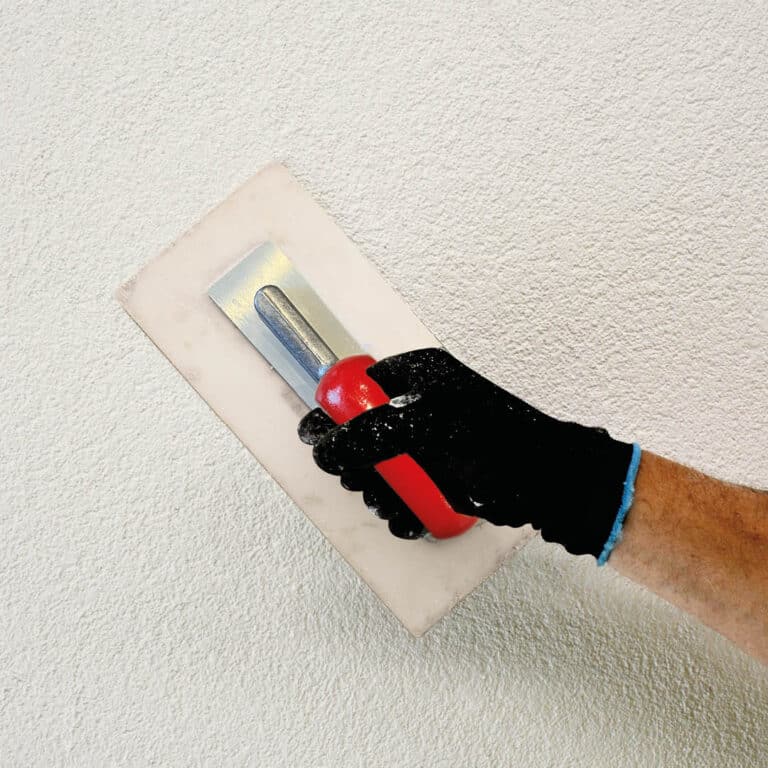
Render is a popular exterior finish for homes and commercial buildings, offering durability and a sleek appearance. However, over time, dirt, algae, and pollution can leave render looking tired and discoloured.
Regular maintenance and cleaning techniques will keep your rendered surfaces looking fresh and extend their lifespan.
In this guide, we’ll walk you through the best methods for cleaning render and how to prevent future staining.
Why Does Render Get Dirty?
Rendered surfaces are constantly exposed to the elements, which can lead to the gradual build-up of dirt and organic growth. Common causes of render staining include:
Algae and Moss Growth: Moist environments encourage algae and moss to develop, particularly on north-facing walls.
Pollution and Traffic Fumes: Urban areas experience a build-up of grime from vehicle emissions and industrial pollution.
Weathering and Water Staining: Rain can leave streaks and marks on render, especially in areas where water runs off unevenly.
General Dirt and Dust: Everyday environmental exposure can leave render looking dull over time.
The best solution to keeping your render looking clean is preventing it getting dirty to begin with. Applying a protective layer, such as the ecorend TRX Silicone Nano Coat or our powerful XR2 Anti-Bacterial Coating, makes a huge difference in preventing the build-up of algae and bacteria – meaning less cleaning and maintenance will be required over time.
Step-by-step: How to Clean Your Render
Keeping your render clean requires the right approach and products. For best results, it’s best to do a clean once every 6-12 months. This will help prevent the build-up of thicker dirt that will be harder to clean off if you leave it too long.
Follow these steps to achieve the best results when cleaning your property’s render:
1. Brush Away Surface Debris
Before applying any cleaning solutions, use a soft-bristle brush to remove any loose dirt, dust, and cobwebs. This prevents unnecessary streaking and allows cleaning products to work more effectively.
2. Use ecorend XR1 Fungicidal Wash for Algae and Moss Removal
Next up is to apply a fungicidal wash to target stubborn algae and moss growth. We recommend applying ecorend XR1 Fungicidal Wash, a specially formulated solution that contains biocides to target biological growth and prevent regrowth. Simply:
Apply ecorend XR1 using a brush, roller or spray.
Leave the product to work for a minimum of 48 hours to take effect and kill the growing moss and unseen spores.
Rinse off with clean water.
3. Low-Pressure Cleaning for General Dirt
Once the algae and moss have been removed, use a hose to gently rinse the render and lift off any dirt and surface stains. Avoid high-pressure washers as they can damage the surface and cause water ingress.
4. Apply a pH-Neutral Cleaning Solution
For the best-looking clean, there’s nothing better than getting truly hands-on. Mix a mild detergent with warm water, then apply by hand using a sponge or soft brush. Scrub lightly in circular motions to lift grime without harming the render.
5. Rinse Thoroughly
After cleaning, rinse the surface with clean water to remove any remaining product and prevent streaking.
Preventing Future Stains on Render
Once your render is clean, take steps to minimise future staining and keep it looking fresh for longer:
Regular Maintenance: Inspect and clean your render every 6-12 months to prevent stubborn build-up.
Improve Drainage: Ensure water runs off evenly by checking gutters and downpipes for blockages.
Treat with XR1 Fungicidal Wash Annually: Prevent algae regrowth by applying ecorend XR1 at least once a year.
At ecorend, we specialise in high-performance render solutions designed to withstand the elements. Our ecorend XR1 Fungicidal Wash is an essential tool for cleaning your rendered surfaces, helping you keep them looking brand new for years to come.
With over 25 years’ experience within the construction sector, Andrew Rawsthorne is one of the UK’s leading experts with a wealth of knowledge and expertise. As a seasoned professional, he is dedicated to driving innovation and excellence in exterior finishes, ensuring that ecorend remains at the forefront of the industry. Through his strategic leadership and commitment to customer satisfaction, Andrew plays a pivotal role in shaping the company’s success and delivering exceptional results for customers across the UK.
From sample requests to technical specifications, our team are here to help.
ORDER SAMPLES
Explore our beautiful range of textures and colours today. Select your desired product and colour options, and our team will despatch for a prompt delivery.
Our products are available at reputable stockists nationwide. Find a nearby distributor to access high-quality construction and architectural solutions.
Our Registered Contractors are skilled professionals experienced in applying our products. Find a local contractor for your project to guarantee quality.