What Is Monocouche Render?
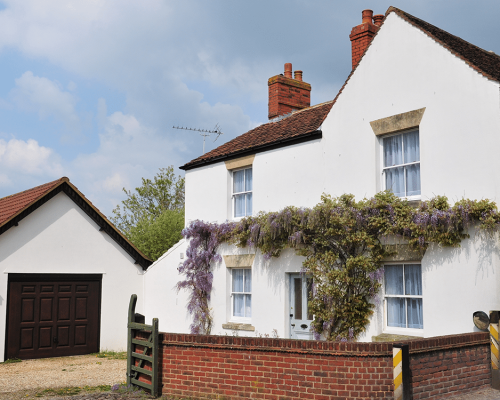
Monocouche render is a single-product, two-pass system available in a range of colours. Monocouche render is through-coloured, which means the colouring pigment is mixed throughout the whole render material providing you with a consistent, long-lasting colour – instead of needing to be painted.
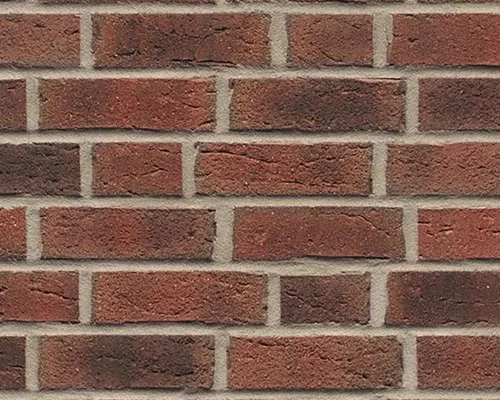
Used as a decorative render, monocouche can be applied by both hand and machine, and is usually given a “scratched” finish. It is suitable for use on most substrates including masonry brick, blockwork and concrete.
An example of monocouche render is ecorend MR1 Monocouche One Coat Render – a UK-manufactured product that achieves W2-class water repellence, providing high breathability and resilience.

What Makes Silicone Render Different?
The key differences between monocouche and silicone renders are their chemistry, application thickness, number of coats required and final finish look.
Silicone renders are engineered with an advanced polymer chemistry based on silicone instead of cement. Silicone render is known as a “thin coat render” because it’s applied in a single, much thinner coat (approximately 1.5mm to 3mm). This helps reduce the weight on the substrate and means less render material is required for the project. The silicone chemistry also makes the render more flexible, reducing the chances of cracking.
Silicone renders are available in a wide choice of colours and textures, just like monocouche. They are increasingly specified for both residential and commercial projects where performance and aesthetics must work hand-in-hand.

Comparing Finishes
The biggest determining factor between monocouche and thin coat silicone render is the final finish.
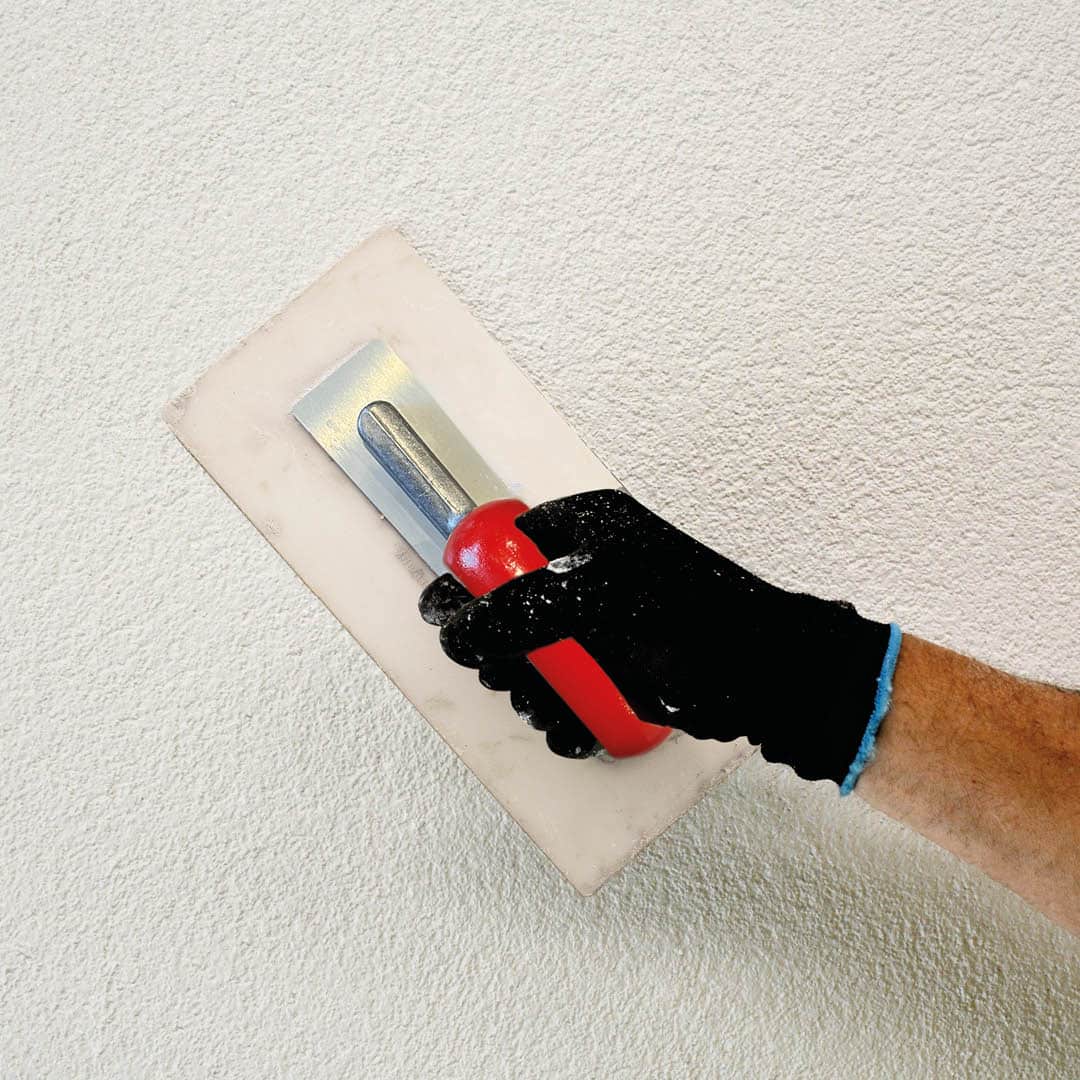
Monocouche is applied thicker, typically with a scratched finish, and has visible render beads at corners and edges. Silicone render is applied as a thin coat and has a noticeably smoother finish with no visible beads.
Whether it is for a commercial property or private home, ultimately the choice of finish is personal preference and will most likely be the client’s decision.

Consider Your Substrate
There is one key technical area that can affect your choice of silicone or monocouche render, and that is the underlying substrate.
If you’re project features external wall insulation (EWI), then you must use a thin coat silicone render – monocouche render isn’t compatible with EWI. For other substrates, you have more flexibility. Both our ecorend MR1 Monocouche One Coat Render and ecorend SR365 Ultimate Silicone Thin Coat render systems can be used over new concrete block, smooth/rough brick, hacked-off render and more (see technical specifications for full details). However, only silicone can be used over EPS insulation.
Another factor to consider is weight. Since monocouche is applied thicker, the total weight will be higher than a thin coat silicone render.
Differences In Application Technique
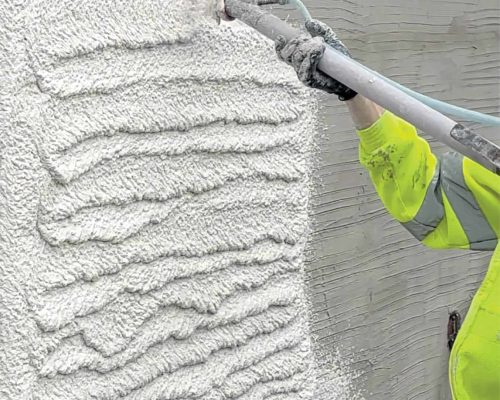
Both render systems can be applied by either hand or machine, with through-coloured monocouche being applied thicker to around 18mm. For monocouche, the applied render must then be left to set until it is firm enough to imprint your nail (but not your thumb print) before then “scratching” it back a few millimetres to create the final textured finish.
Both render types should always be applied by an experienced contractor and when the weather is dry. Most render systems require a low humidity and warm temperature above 5°C, meaning render is usually best applied during spring, summer and autumn. However, ecorend SR365 Ultimate Silicone Thin Coat is uniquely able to be applied in temperatures ranging from -5°C to +25°C, in humidities up to 99% and is rainproof in just 2 hours, allowing you to render in all seasons.
Compare Silicone And Monocouche Render Systems
Silicone Render | Monocouche Render |
|---|---|
Thin coat around 1.5mm to 3mm | Thicker coat around 15mm |
Smooth finish | More traditional “scratched” finish |
Hidden beads | Visible beads |
Wide range of colour options | Wide range of colour options |
Quicker to apply: just one-pass of machine application | Slower to apply: hand or machine application, then a second “scratching” pass |
Can be applied over external wall insulation (EWI) | Cannot be applied over external wall insulation (EWI) |
If using ecorend SR365, can be applied in all seasons down to temperatures as low as -5°C | Must be applied in dry weather, typically in temperatures above +5°C. |
Which Render System Should You Choose?
If you are rendering over external wall insulation, you must use a thin coat render (or alternatively, dash or brick slips). In other situations, the choice between thicker monocouche and thin coat silicone rendering is personal preference. If you’re unsure which to choose, it’s best to contact our technical team. They can specify the exact products necessary for your goals based on your project.
ecorend is the only UK manufacturer of render systems, significantly reducing transportation-based carbon emissions.