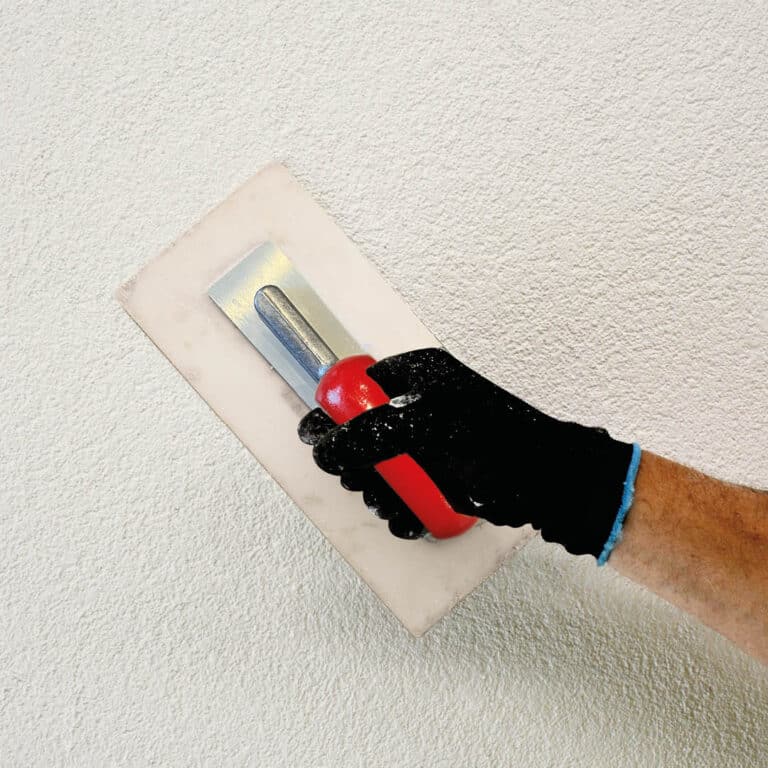
Winter Rendering Made Possible: Proven Systems for Cold Weather Application
Durable. Breathable. Proven Performance.
A commonly held belief in the construction industry is that you can’t render a property during the winter months. Shorter days, colder conditions, and wet weather all increase the risk of wash-off, poor curing, and project delays.
However, with the right render system and best-practice preparation, you can apply in temperatures as low as -5°C, with systems that are rainproof in just two hours, keeping projects moving all year round.
Winter Challenges
Rendering throughout the winter months faces a lot more challenges than during the rest of the year, such as:
Extended or failed curing – lower temperatures and high humidity slow hydration, sometimes preventing curing altogether.
Wash-off and surface slippage – damp or frozen substrates, or uncured base coats, can cause render layers to fail.
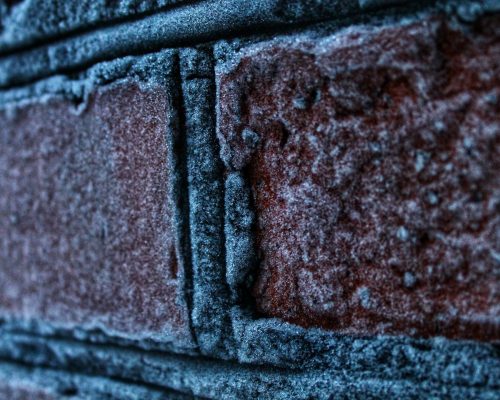
Adverse weather impacts – rainfall, hail, or frost can damage uncured surfaces.
Reduced daylight – limited hours make multi-pass systems, such as monocouche scratch or dash, harder to complete.
What’s The Best Type of Render for Winter?
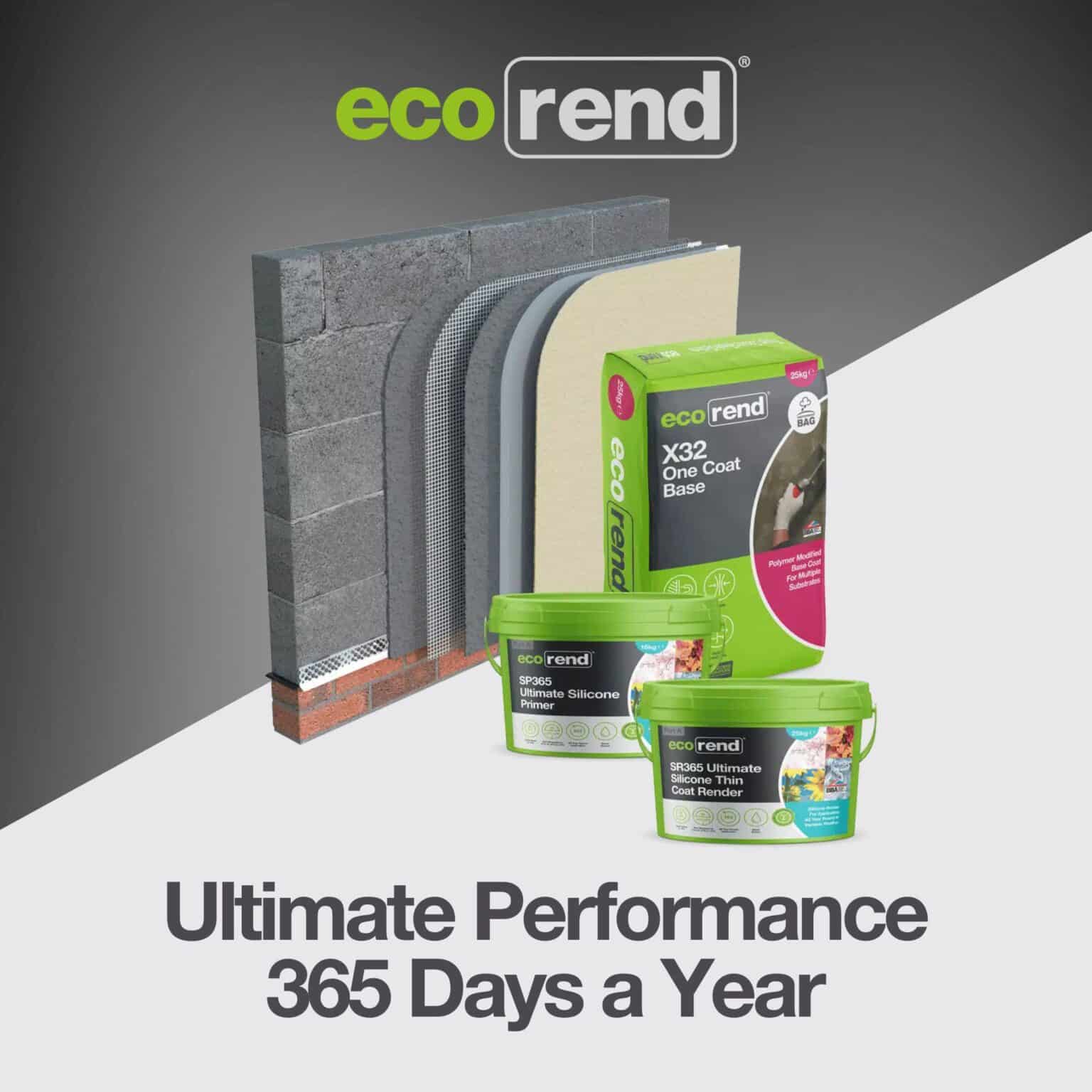
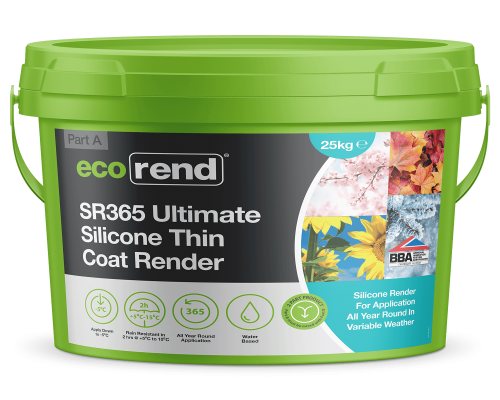
These seasonal challenges are why we developed our European-patented, British Board of Agrément-certified ecorend SR365 Ultimate Silicone Thin Coat Render System.
It is engineered for all-weather reliability, can be applied in temperatures down to -5°C, withstands humidity levels of up to 99%, and is rainproof in just two hours at +5°C. This makes SR365 the only true all-seasons render solution, trusted by contractors to keep projects on track.
If you are limited to monocouche render, the next-best solution is to use an accelerating additive such as ecorend QS1 Quick Set Accelerator. This replaces part of the gauging water and reduces scrape time in cooler conditions. However, monocouche systems still require a minimum application temperature of +5°C and must avoid frost risk. For continuous application through autumn and winter, SR365 remains the contractor’s choice.
Winter Application Tips
Working in the winter isn’t just about choosing the correct materials. Preparation and process control make all the difference:
Ensure the substrate isn’t frozen before you begin.
Check weather forecasts to assess if there is a risk of frost within 24 hours. The minimum application temperature is 5°C for all monocouche renders – only ecorend SR365 can be applied in subzero temperatures down to -5°C.
Don’t apply the top coat until you are confident the base coat and primer are fully cured. Trapped moisture in a base coat can often lead to ‘Wash Off’ of the top coat.
Store any “wet” render materials in above-zero temperatures and only pre-load and prep the site immediately before applying the products to protect them from harsh weather conditions.
If unsure, request a specification from our technical team.
So, is it possible to render a property during the winter? Absolutely – but only with the right preparation and system selection.
For proven reliability in cold conditions, the ecorend SR365 Ultimate Silicone Thin Coat Render System is engineered for consistent performance all year round.
With over 25 years’ experience within the construction sector, Andrew Rawsthorne is one of the UK’s leading experts with a wealth of knowledge and expertise. As a seasoned professional, he is dedicated to driving innovation and excellence in exterior finishes, ensuring that ecorend remains at the forefront of the industry. Through his strategic leadership and commitment to customer satisfaction, Andrew plays a pivotal role in shaping the company’s success and delivering exceptional results for customers across the UK.
From sample requests to technical specifications, our team are here to help.
ORDER SAMPLES
Explore our beautiful range of textures and colours today. Select your desired product and colour options, and our team will despatch for a prompt delivery.
Our products are available at reputable stockists nationwide. Find a nearby distributor to access high-quality construction and architectural solutions.
Our Registered Contractors are skilled professionals experienced in applying our products. Find a local contractor for your project to guarantee quality.