Top Benefits of Lime Render in Modern Construction
Lime render is a time-honoured building material with a rich history, traditionally composed of lime, sand, and water, with occasional additives for enhanced performance. Its standout quality is breathability, allowing trapped moisture to escape through walls and preventing damp and mould buildup. This significantly improves indoor air quality and supports long-term structural health.Unlike some traditional cement-based systems, lime render is flexible and can accommodate slight building movements, reducing the likelihood of cracking.
Additionally, lime render is more sustainable than cement-based alternatives, thanks to its lower embodied carbon and less energy-intensive manufacturing process. Its aesthetic versatility and compatibility with various architectural styles make it suitable for both historic restorations and new eco-conscious builds.
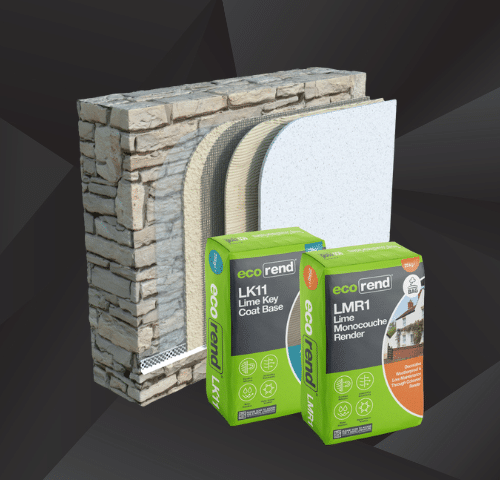
One of the latest innovations in this space is the ecorend LMR1 Lime Monocouche One Coat Render System. This high-performance, A1 fire-rated system combines traditional lime benefits with modern application efficiency. Formulated with true hydraulic lime, LMR1 delivers exceptional vapour permeability, fast trowel and machine-friendly application, and a durable, through coloured finish suitable for solid wall substrates and heritage projects. Proudly UK manufactured, it’s available in a wide colour range and offers W2 waterproofing performance for long-lasting protection.
What is Lime Render? Understanding the Basics
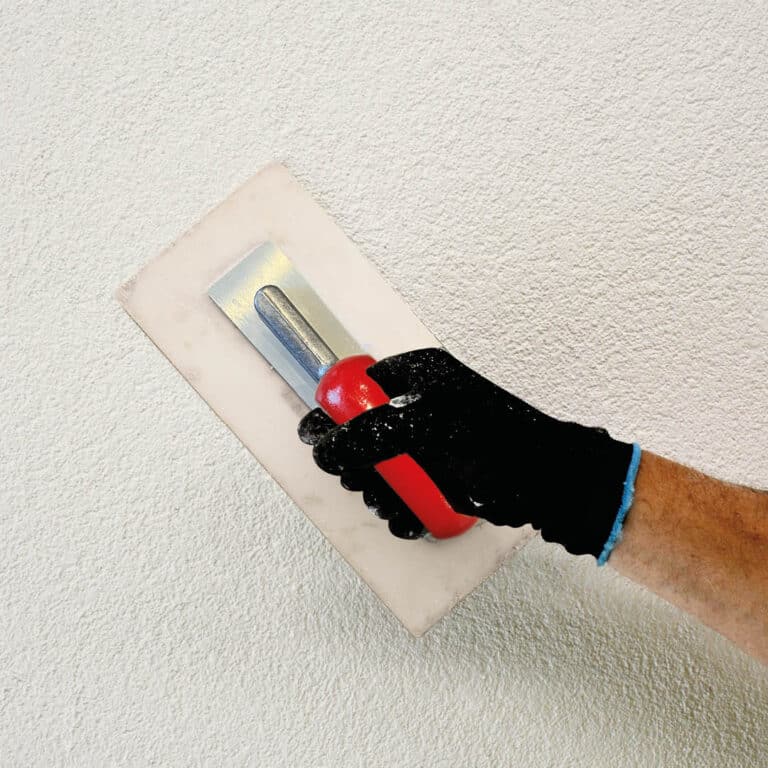
Lime render is a protective and decorative wall coating made from lime, sand, water and additives. The key component, lime, is derived from limestone that has been heated to produce quicklime, then slaked with water to form either lime putty or hydraulic lime.
The main advantage of lime render is its breathability, which allows moisture vapour to pass through the surface. This is especially important for older solid wall buildings, where trapped moisture can lead to damage. In addition, lime render’s flexibility means it moves with the building, reducing the risk of cracking. These attributes make it an ideal solution for both heritage and new construction projects.
Key Benefits of Lime Render:
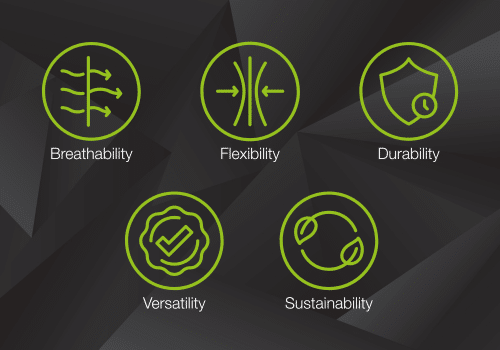
Breathability: Allows moisture vapour to escape, reducing damp and improving indoor air quality.
Flexibility: Accommodates movement in the building, minimising cracks.
Durability: Long-lasting with proper maintenance, often outlasting more rigid alternatives.
Aesthetic Versatility: Can be textured, smoothed, or pigmented to suit a wide range of styles.
Sustainability: Lower carbon footprint compared to standard cement renders.
Types of Lime Used in Render Systems
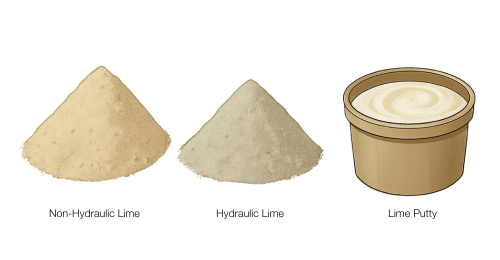
Non-Hydraulic Lime: Sets slowly via carbonation, offering high breathability and flexibility. Ideal for heritage repairs.
Hydraulic Lime: Sets with water and cures faster. Suitable for exposed conditions and modern applications.
Lime Putty: Made from non-hydraulic lime, providing excellent workability for detailed render work.
Sustainability: Lime production requires less energy than cement, making it a lower-carbon choice.
Environmental Impact and Sustainability
Low Carbon Production: Requires less energy in manufacturing.
Durable: Reduces the need for frequent repair or replacement.
Compatible with Natural Building Techniques: Ideal for eco-conscious projects.
Common Applications for Lime Render
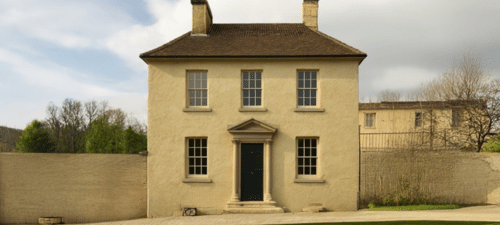
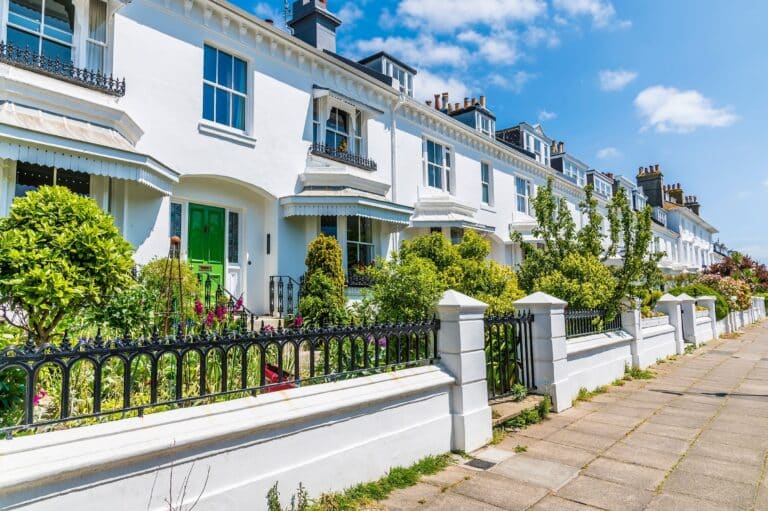
Heritage Buildings: Protects while preserving historic fabric.
Traditional Masonry: Breathability and flexibility support older wall types.
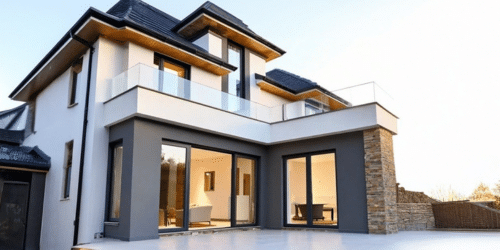
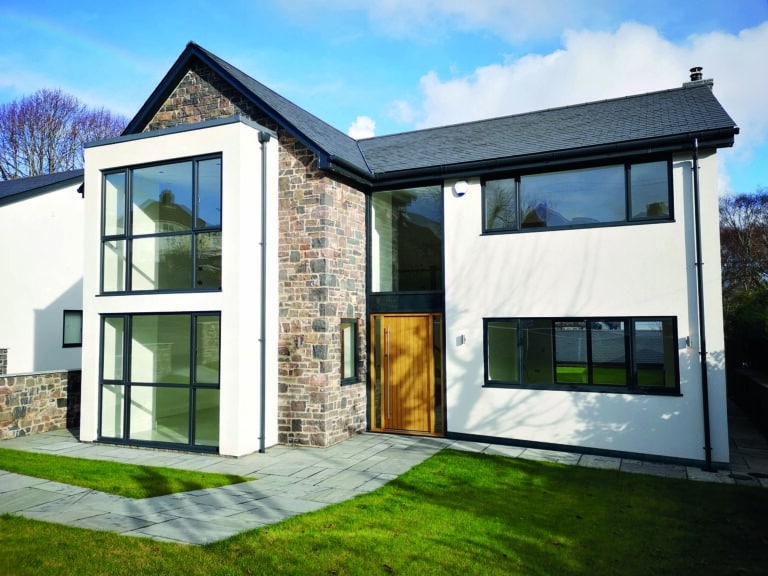
New Builds: Offers a sustainable, visually versatile alternative to cement.
Exterior Walls: Withstands harsh weather while allowing moisture to escape.
The ecorend LMR1 Advantage
Our ecorend LMR1 Lime Monocouche One Coat Render System represents the next generation of lime-based rendering. It’s engineered to merge traditional lime benefits with the performance of modern materials:
A1 fire-rated for complete peace of mind
Through coloured, low-maintenance finish
True hydraulic lime formulation for strong set and fast application
W2 waterproofing and outstanding vapour permeability
Available in an extensive colour range
Suitable for traditional and conservation projects
For architects, applicators, and specifiers seeking sustainable, heritage-compatible systems, LMR1 offers a proven, modern solution.
Why Choose Lime Render for Your Next Project?
Lime render offers unparalleled advantages for breathability, sustainability, and long-term performance. Whether you’re preserving historic fabric or seeking an environmentally responsible alternative to cement-based systems, lime render delivers.
With innovations like the ecorend LMR1 Lime Monocouche One Coat Render System, specifiers now have access to a system that combines the time-tested benefits of lime with the efficiency of modern rendering. Choose lime render to build responsibly, protect heritage, and ensure buildings can breathe, adapt, and endure for generations to come.
With over 25 years’ experience within the construction sector, Andrew Rawsthorne is one of the UK’s leading experts with a wealth of knowledge and expertise. As a seasoned professional, he is dedicated to driving innovation and excellence in exterior finishes, ensuring that ecorend remains at the forefront of the industry. Through his strategic leadership and commitment to customer satisfaction, Andrew plays a pivotal role in shaping the company’s success and delivering exceptional results for customers across the UK.
From sample requests to technical specifications, our team are here to help.
ORDER SAMPLES
Explore our beautiful range of textures and colours today. Select your desired product and colour options, and our team will despatch for a prompt delivery.
Our products are available at reputable stockists nationwide. Find a nearby distributor to access high-quality construction and architectural solutions.
Our Registered Contractors are skilled professionals experienced in applying our products. Find a local contractor for your project to guarantee quality.