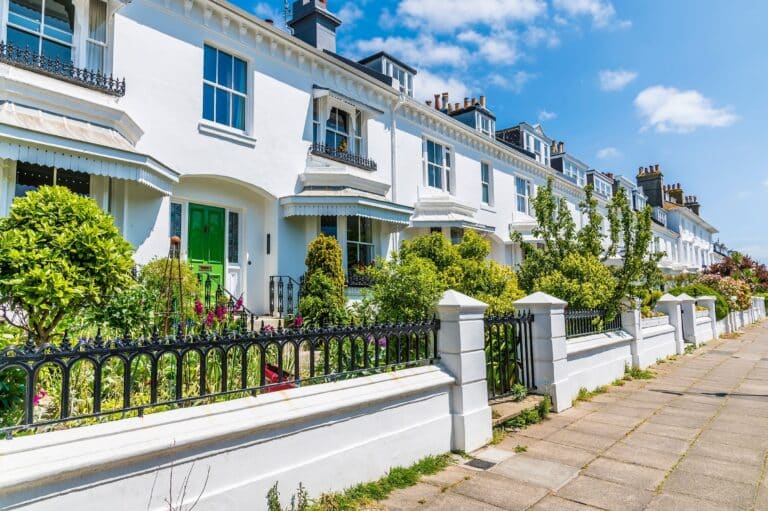
What is Lime Render? A Comprehensive Guide for Traditional and Modern Construction
What is Lime Render? Breathable, Durable & Sustainable
Why Lime Render is the Smart Choice for Heritage and Sustainable Builds
In the evolving world of construction and renovation, lime render is making a strong comeback. For centuries, it was the standard for external coatings, offering durability, flexibility, and breathability. Today, as sustainability and heritage preservation take centre stage, the benefits of lime render are more relevant than ever. The ecorend LMR1 Lime Monocouche One Coat Render System has been developed with these exact needs in mind, offering a next-generation solution that combines the timeless advantages of lime with cutting-edge render technology.
What is Lime Render?
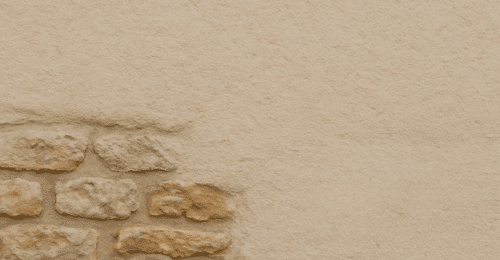
Lime render is a traditional building material made from lime, sand, water and other additives. Unlike cement-based renders, lime render cures through a process called carbonation, where it absorbs carbon dioxide from the air. This makes it not only more environmentally friendly but also more compatible with older, solid-wall constructions.
There are two main types of lime used in render:
Hydraulic Lime: Sets through a reaction with water and is ideal for external and exposed surfaces.
Non-Hydraulic Lime: Cures slowly through air exposure and is often used for internal or delicate heritage applications.
ecorend’s LMR1 System utilises hydraulic lime to deliver strength, breathability, and weather resistance in one high-performance coat.
Why Lime Render Matters
In both heritage renovation and sustainable new builds, material compatibility is key. Older properties, often constructed with breathable solid walls, can suffer when covered with modern cement renders that trap moisture. Lime render, on the other hand, allows vapour to escape, reducing the risk of damp, mould, and internal decay.
Moreover, lime render’s flexibility accommodates minor building movements without cracking—an essential feature for historic buildings and solid wall structures. For contemporary builds aiming for reduced environmental impact, lime’s natural properties and lower embodied carbon make it a superior alternative to cement-based systems.
A1 Fire-Rated: Peace of mind and safety assurance for all building types.
W2 Waterproofing Performance: Provides a hydrophobic finish that repels water while remaining vapour permeable.
Outstanding Breathability: Allows walls to breathe naturally, preventing trapped moisture.
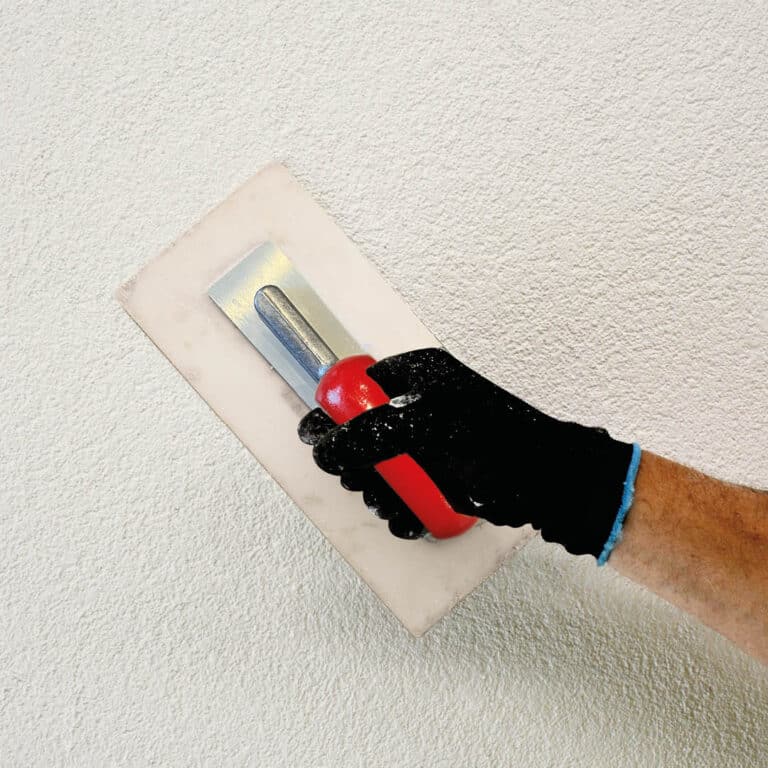
User-Friendly Application: Engineered for smooth, consistent application with advanced trowel technology for efficient on-site performance.
Extensive Colour Range: A selection of through coloured finishes suited to traditional and contemporary styles.
Low-Maintenance Finish: No need for painting or touch-ups – colour and performance are built-in.
UK Manufactured: Produced at our advanced manufacturing facility in North Yorkshire, ensuring quality and fast delivery.
Applications of Lime Render
Lime render is especially well-suited for:
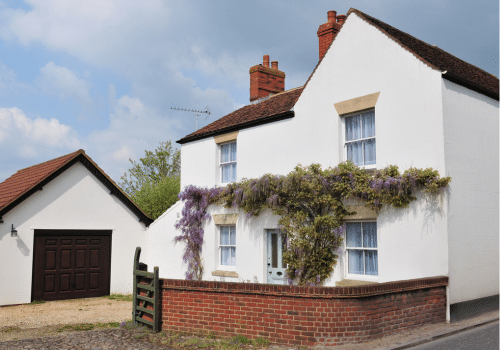
Conservation projects and listed buildings
Traditional homes with solid-wall construction
Extensions or additions to heritage properties
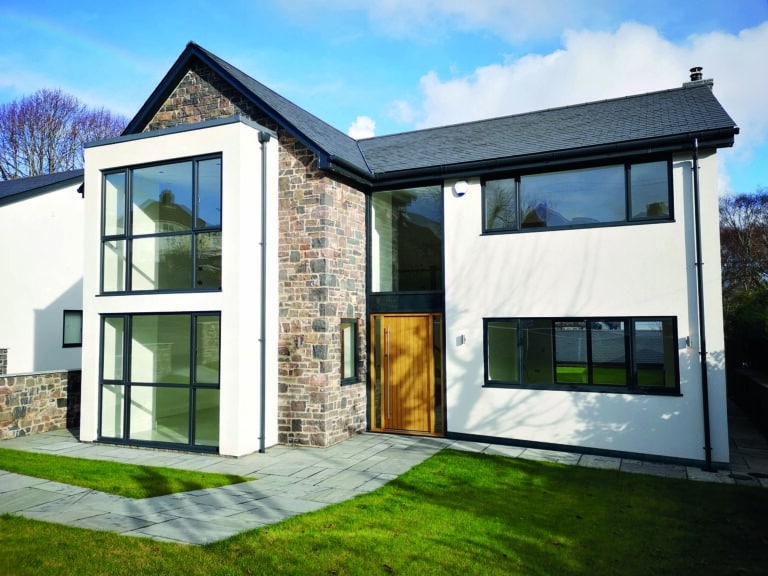
Eco-conscious new builds prioritising sustainability
Thanks to LMR1’s advanced formulation, it’s also a practical choice for time-sensitive or larger-scale jobs. The system’s user-friendly application method saves labour without sacrificing finish quality.
Environmental Benefits
One of the standout features of lime render is its environmental profile. Compared to cement, lime production emits significantly less CO2. It also reabsorbs carbon dioxide during the curing process, creating a circular environmental benefit. When combined with local UK manufacturing and efficient logistics, the embodied carbon of ecorend LMR1 is dramatically lower than traditional render systems.
Why Architects and Specifiers Are Choosing Lime Again
With more architects now focused on environmental impact, health, and conservation requirements, lime render is emerging as the smart choice. It aligns with standards for sustainable building certifications and heritage approvals. Our ecorend LMR1 system provides the reassurance of modern testing, performance data, and application support, making it a dependable product from design through to delivery.
If you’re looking for a render system that balances traditional lime benefits with modern performance, ecorend LMR1 ticks all the boxes:
Breathable and vapour-permeable
Weather-resistant and durable
Fast, one-coat application
Sustainable and low-carbon
Aesthetic versatility with an extensive colour range
Lime render isn’t just for heritage projects anymore. It’s the modern choice for professionals who care about long-term building performance, aesthetics, and sustainability.
With over 25 years’ experience within the construction sector, Andrew Rawsthorne is one of the UK’s leading experts with a wealth of knowledge and expertise. As a seasoned professional, he is dedicated to driving innovation and excellence in exterior finishes, ensuring that ecorend remains at the forefront of the industry. Through his strategic leadership and commitment to customer satisfaction, Andrew plays a pivotal role in shaping the company’s success and delivering exceptional results for customers across the UK.
From sample requests to technical specifications, our team are here to help.
ORDER SAMPLES
Explore our beautiful range of textures and colours today. Select your desired product and colour options, and our team will despatch for a prompt delivery.
Our products are available at reputable stockists nationwide. Find a nearby distributor to access high-quality construction and architectural solutions.
Our Registered Contractors are skilled professionals experienced in applying our products. Find a local contractor for your project to guarantee quality.